Trezor Wallet Review | The Ultimate Guide
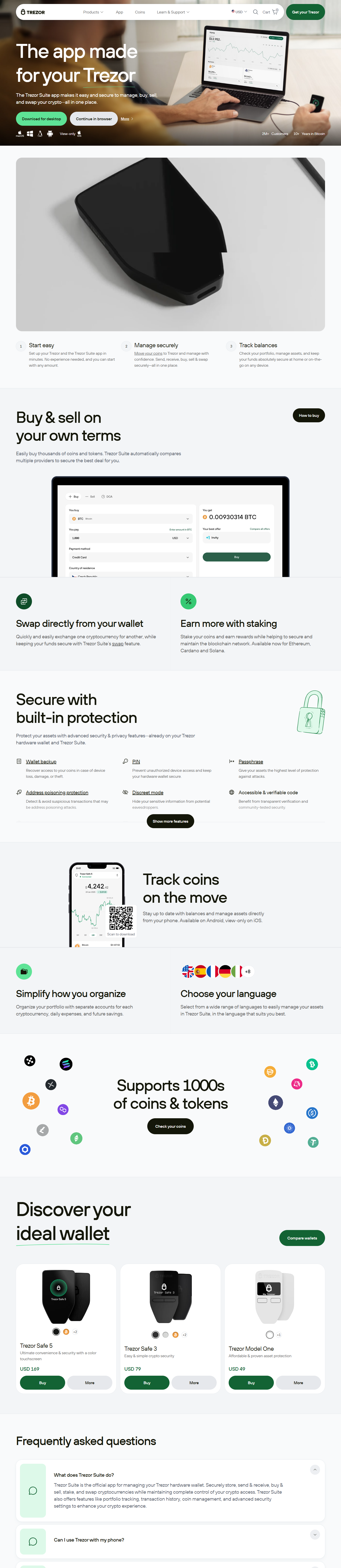
When it comes to protecting your cryptocurrencies, hardware wallets stand as the gold standard. Among the leading names in this industry, Trezor is one of the most trusted and reliable solutions. In this comprehensive 2000-word guide, we’ll take a deep dive into the Trezor Wallet—exploring its features, setup process, security protocols, pros and cons, and how it stacks up against competitors.
What is Trezor Wallet?
Trezor is a hardware wallet developed by SatoshiLabs, a pioneer in cryptocurrency security solutions. First launched in 2014, it was the world’s first hardware wallet designed to provide an offline, tamper-proof way to store private keys. Unlike hot wallets or exchange-based wallets, Trezor ensures that your digital assets are safeguarded from hackers and malware by keeping the private keys completely offline.
Why Use a Hardware Wallet?
The importance of hardware wallets like Trezor cannot be overstated. With billions of dollars lost each year to hacks, phishing attacks, and exchange compromises, cryptocurrency users need a more secure solution. A hardware wallet eliminates the risk of online threats since your private keys never leave the device.
Types of Trezor Wallets
Currently, Trezor offers two main models: Trezor One and Trezor Model T.
- Trezor One: The original hardware wallet, simple yet highly secure, perfect for beginners.
- Trezor Model T: The premium version with a touchscreen interface, more supported coins, and advanced features.
Security Features of Trezor
Security is the cornerstone of Trezor’s reputation. It offers multiple layers of protection to ensure users’ assets remain safe:
- PIN protection to prevent unauthorized access.
- Recovery seed (usually 12 to 24 words) for wallet recovery.
- Passphrase support for an extra layer of security.
- Open-source firmware audited by the community.
- Offline storage of private keys.
Supported Cryptocurrencies
Trezor supports over 1,600 cryptocurrencies, including Bitcoin (BTC), Ethereum (ETH), Litecoin (LTC), Ripple (XRP), and many ERC-20 tokens. The Model T supports even more coins than the Trezor One, making it suitable for advanced investors with diverse portfolios.
Setting Up Your Trezor Wallet
Setting up a Trezor wallet is straightforward. Here’s the general process:
- Unbox your Trezor and connect it to your computer using the provided USB cable.
- Go to the official Trezor website and download Trezor Suite.
- Follow the instructions to initialize the device.
- Set a strong PIN code for added security.
- Write down your recovery seed and store it in a safe place.
- Install any firmware updates if prompted.
User Experience and Interface
The Trezor Suite software offers an intuitive interface for managing your portfolio. You can check balances, send or receive coins, and even track the value of your assets in real time. The Model T’s touchscreen makes navigation even easier and reduces the reliance on your computer when confirming transactions.
Pros and Cons of Trezor
Pros
- High-level security features.
- User-friendly setup and interface.
- Wide range of supported cryptocurrencies.
- Open-source firmware ensures transparency.
- Excellent customer support and documentation.
Cons
- More expensive than software wallets.
- Model T is priced higher compared to competitors.
- Not as portable as mobile wallets.
Trezor vs Ledger
One of the biggest debates in the crypto community is between Trezor and Ledger wallets. While both offer strong security, there are key differences:
- Trezor is open-source, Ledger is partially closed-source.
- Ledger Nano X supports Bluetooth, while Trezor does not.
- Trezor Model T offers a touchscreen, while Ledger relies on buttons.
Who Should Use Trezor?
Trezor is ideal for anyone serious about securing their cryptocurrencies. Whether you’re a beginner looking for a simple and safe way to store Bitcoin or an advanced investor managing a diverse portfolio, Trezor has a model to suit your needs.
Tips for Maximizing Security
While Trezor is inherently secure, you can take additional steps to protect your assets:
- Always buy your device directly from the official Trezor store.
- Keep your recovery seed offline and never share it.
- Enable the passphrase option for an extra layer of protection.
- Regularly update your firmware to patch vulnerabilities.
Final Verdict
The Trezor Wallet remains one of the most reliable and secure options for storing cryptocurrencies in 2025. Its combination of user-friendliness, robust security, and broad support for digital assets makes it a top choice for both beginners and experienced crypto enthusiasts.
If you value your digital wealth and want peace of mind, investing in a Trezor wallet is a smart decision.